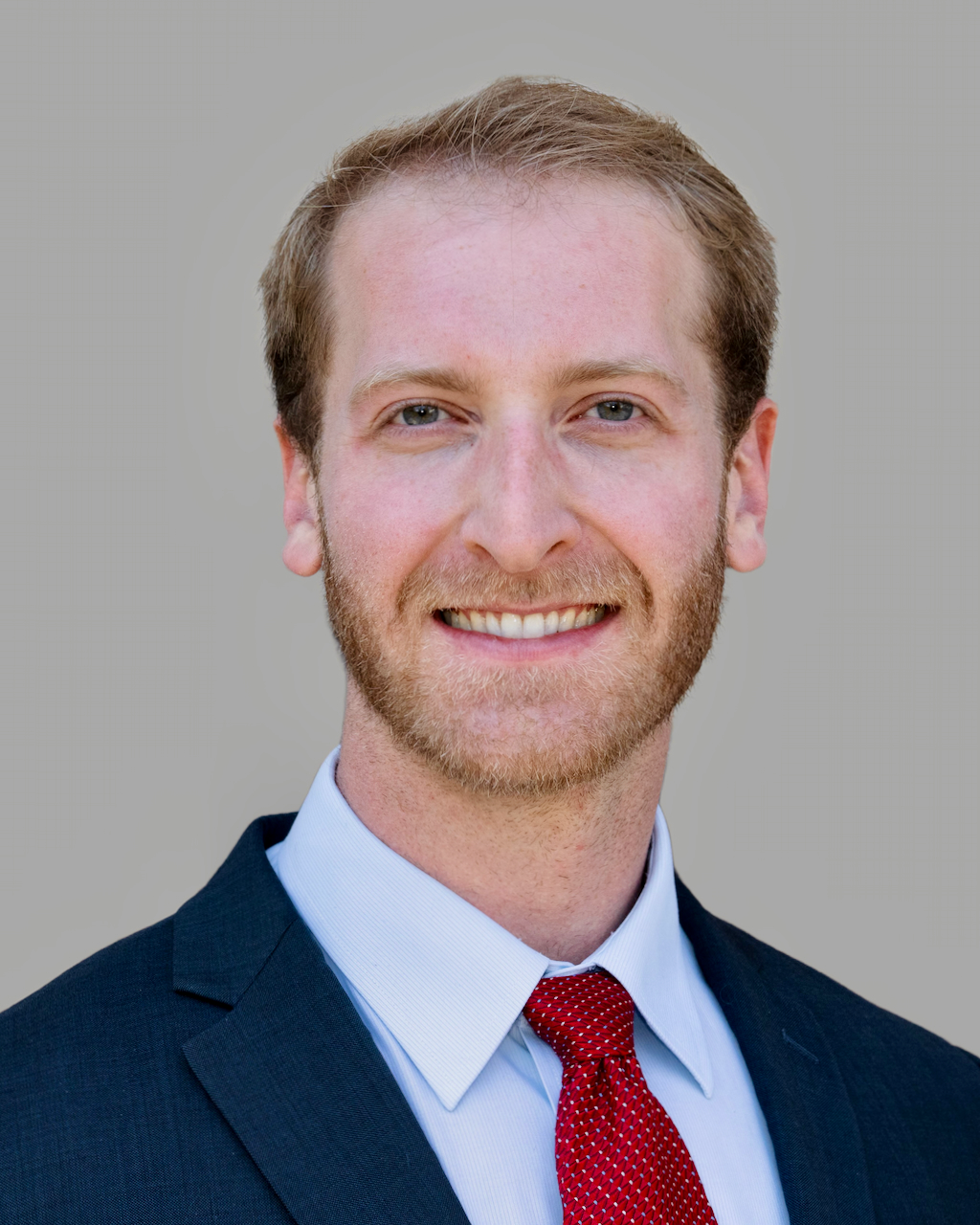
Internal medicine physician at Beth Israel Deaconess Medical Center and Fenway Health, researcher in cardiovascular outcomes and AI diagnostics, and folk musician.
I grew up in St. Louis, Missouri, shaped by years at OSRUI summer camp and a love of water polo at John Burroughs School. At Georgetown University's School of Foreign Service I studied Science, Technology & International Affairs, graduating Magna Cum Laude with Honors in my major. I discovered that music, community, and medicine are deeply intertwined—leading Kabbalat Shabbat services and growing our Jewish community from 20 to 65–80 attendees each week.
After college I spent transformative time at the Pardes Institute of Jewish Studies in Jerusalem on a funded academic fellowship before entering Georgetown University School of Medicine. I earned my MD in 2023 and matched into internal medicine at Beth Israel Deaconess Medical Center, a Harvard teaching hospital.
I currently see patients as a primary-care physician at Fenway Health in Boston while pursuing research in cardiovascular outcomes, health equity, and AI-assisted diagnostics. I am also a co-founder of CATALYST, an AI startup developing LLM-based ECG interpretation tools. Outside the hospital, I write and perform folk music and remain active in Jewish communal life.
BSc, Science, Technology & International Affairs
Georgetown University School of Foreign Service, 2016
Magna Cum LaudeHonors in Major
MD, Georgetown University School of Medicine, 2023
Internal Medicine, BIDMC / Harvard — 2023–2026
Clinical Fellow in Medicine
Fenway Health — Primary Care Physician, Boston, MA
VA Hospital — West Roxbury, MA
Magna Cum Laude · Honors in Major (Georgetown, 2016)
Pardes Academic Fellowship, Jerusalem (2018, funded)
English · Spanish · Hebrew
As a primary-care physician and internal-medicine resident, I provide comprehensive adult care informed by cultural sensitivity and a commitment to health equity.
Internal medicine residency at a Harvard teaching hospital, training in inpatient and outpatient medicine while pursuing clinical research with the Secemsky and Rodman labs.
Primary care physician accepting new adult patients. Continuity clinic specializing in general internal medicine, sexually transmitted infections, and HIV antiretroviral therapy.
Resident physician in internal medicine at the Veterans Affairs Hospital, providing care for veterans with complex medical conditions.
My practice integrates spiritual and cultural context into patient care. I hold a certification in Structure-Based Medical Acupuncture and have published guidance on religion and fasting in clinical settings.
Led a Stoneman QI initiative at BIDMC to improve after-discharge outpatient follow-up, process-mapping discharge appointment requests in the EPIC EMR system.
During college I served as a musician-in-residence for cancer patients, playing guitar at the bedside—an experience that shaped my understanding of holistic healing.
My research spans cardiovascular outcomes, health disparities, AI diagnostics, and anticoagulation therapy, with publications in JAHA, AJC, NEJM, and NeurIPS.
Systematic review of 14 studies (70,025 patients). Observational data suggested lower mortality with VKAs, particularly in solid malignancies with >6-month follow-up; randomized trials showed no mortality difference.
↗ PubMedNCDR Chest Pain-MI Registry (493,740 AMI hospitalizations): PAD patients had significantly higher in-hospital mortality, major bleeding, cardiac arrest, cardiogenic shock, and stroke regardless of age, sex, race, or AMI type.
↗ PubMed2016–2020 Medicare data (19,130 patients): stenting rates declined 41%. Black patients faced higher risks of hypertensive crisis and dialysis initiation; dual Medicare–Medicaid enrollment was associated with increased mortality.
↗ PubMedBenchmarked GPT-4, Claude 3.5 Sonnet, Llama 3.2, and GPT-3.5 for arrhythmia classification using multimodal ECG data with Retrieval-Augmented Generation. GPT-4 achieved AUC = 0.940 with equitable performance across demographics. First multi-LLM ECG benchmarking with integrated structured RAG and multimodal input.
↗ OpenReviewContributor to the design and creation of the Dr. CaBot AI system used in the NEJM Clinical Pathological Conference case analysis. Collaborated with the Manrai & Rodman Research Group to curate and analyze historical CPC cases and advance computational modeling of clinical diagnostic reasoning.
↗ NEJMBenchmark derived from 7,102 clinicopathological conference cases and 1,021 image challenges. "Dr. CaBot" outperformed physicians in text-based diagnostic reasoning but underperformed in image interpretation and literature retrieval.
↗ arXivCase report of an 86-year-old woman who developed spontaneous TLS in the context of metastatic pancreatic adenocarcinoma—a rare complication outside hematologic malignancies. doi: 10.14309/crj.0000000000001305
↗ PubMedReviews Talmudic sources and the medical literature to help physicians counsel Jewish patients about religious fasting, including contraindications such as metabolic and eating disorders. Also served as peer reviewer for this journal.
↗ Georgetown Medical ReviewRetrospective cohort study comparing rates of hemorrhage in patients who received tPA and CPR versus tPA without CPR. Findings showed no significant association between CPR and surgical procedures needed due to bleeding or pRBC transfusion volume.
From bedside mentorship at Harvard Medical School to leading Harvard-MIT master's research projects, teaching is central to my practice.
Proposed and led a benchmarking study of multimodal LLMs for ECG interpretation with five Harvard-MIT Health Sciences & Technology master's students. Project evolved into the CATALYST startup.
One-on-one mentoring of 2nd-year Harvard Medical School students entering clinical clerkships—clinical topics, emotional support, and professional development.
5-hour session on ICU pulmonary physiology, asthma, and ARDS for 3rd-year Georgetown medical students.
4-hour POCUS session covering pneumothorax, pulmonary embolism, and myocardial infarction for 1st-year medical students.
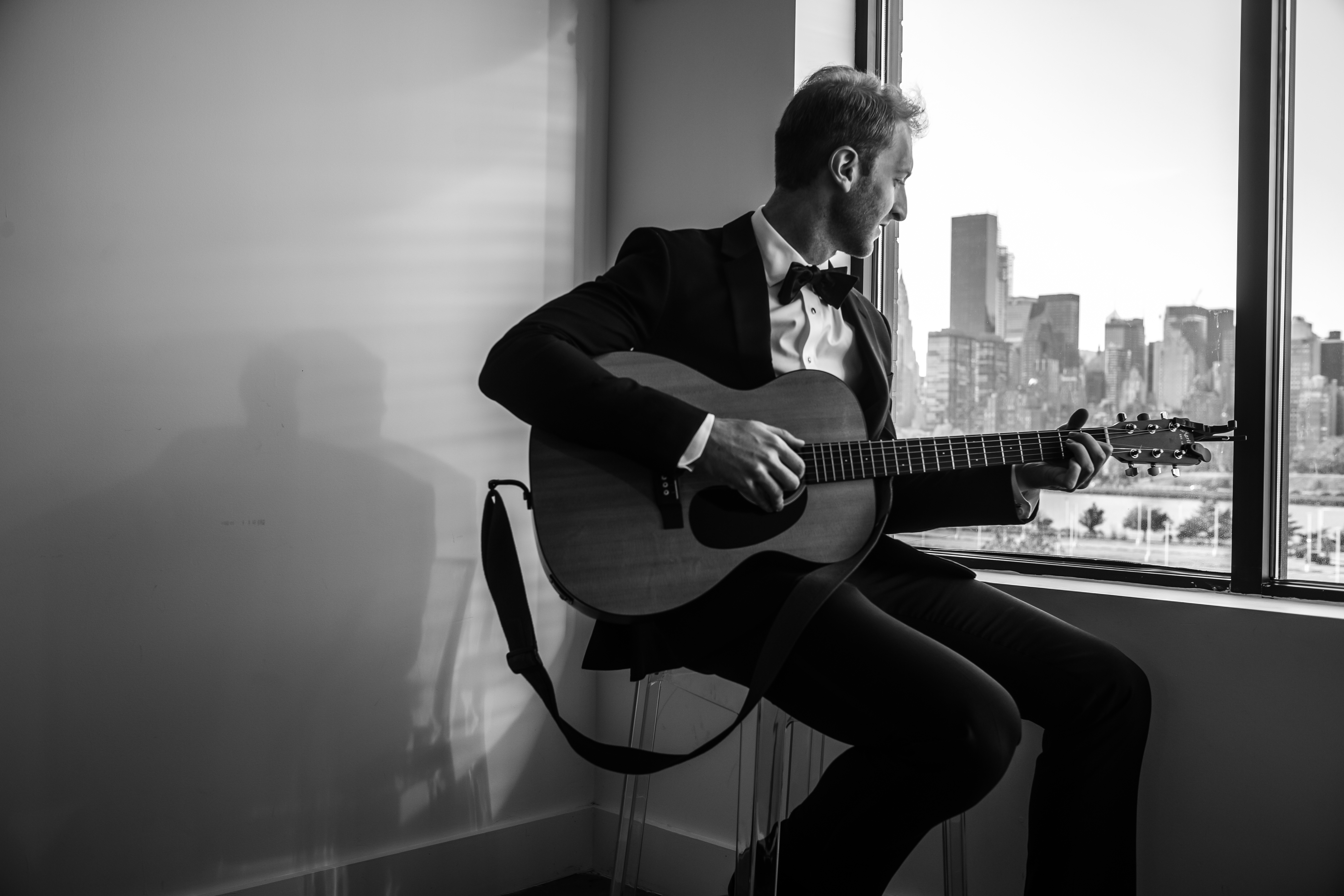
A singer-songwriter at heart, I write and perform folk music inspired by spirituality, medicine, and the human experience.
A 14-track debut album featuring vocals and guitar. Themes of nature, spirituality, and introspection run throughout.
Inspired by a semester of intensive Jewish text study at the Pardes Institute of Jewish Studies in Jerusalem. Written in the hills of the Old City.
Invited guest on Babbage, The Economist — discussing generative AI in clinical diagnostics and the future of physician-AI collaboration.
Folk concert featuring original compositions written in Jerusalem alongside covers of Johnny Cash and Bob Dylan. Covered by St. Louis Public Radio as part of its Community Events series.
"Judaism is a fundamental part of my identity. Playing guitar at the bedside for cancer patients during college showed me that healing and music are not so different—they both require presence, vulnerability, and the courage to sit with another person in their most human moments."— Jason Gusdorf, Pardes Institute Blog
Growing up in a Reform Jewish household in St. Louis and attending OSRUI summer camp for seven years, Judaism has always been central to my life—not merely as religion but as an integrated framework for ethics, community, and purpose.
At Georgetown I served as the Jewish community's music leader for four years, leading Kabbalat Shabbat services that grew from roughly 20 participants to 65–80 each week. I launched a Torah-study program and helped secure new Torah scrolls and prayer books for the community.
Before medical school, I received a funded fellowship to study at the Pardes Institute of Jewish Studies in Jerusalem, returning later for an extended fellowship. That intensive immersion in Jewish text deepened my understanding of the spiritual dimensions of healing—themes that directly inform my clinical practice and academic writing, including a published essay on how Judaism shaped my love of medicine.
Seven years at the Union for Reform Judaism's summer camp, foundational to Jewish identity.
Led Kabbalat Shabbat for four years; grew attendance from 20 to 65–80; launched Torah study.
Academic fellowship (2018) and extended return fellowship; intensive Jewish text study between degrees.
Second album directly inspired by Pardes studies—music as spiritual reflection.
Published "How Judaism Influenced My Love of Medicine" (Pardes, 2019); "Viktor Frankl's Statue of Responsibility" (Capital Psychiatry, 2022); clinical guidance on the Yom Kippur fast (Georgetown Medical Review, 2023).
I see patients at Fenway Health and am happy to connect about research collaborations, music, or speaking opportunities.